Love the idea of a front porch, tall windows, and century-old detailing but worry about hidden costs or permit hurdles? You are not alone. Buying a character home along London Road in South Lethbridge can be rewarding if you understand heritage, inspections, and the current planning framework. This guide gives you clear steps, local context, and reliable resources so you can move forward with confidence. Let’s dive in.
Why London Road appeals
London Road sits next to downtown in South Lethbridge and is known for early 20th-century homes, mature trees, and walkable streets. The City maintains an official Inventory of Historic Places that highlights representative properties and character-defining elements across the area. You can scan the municipal inventory to see examples of preserved homes and why they matter in local history. Review the City’s inventory for context on building eras and features you will encounter along these streets.
- Explore the City’s Inventory of Historic Places for London Road context: City of Lethbridge inventory PDF
What is a character home
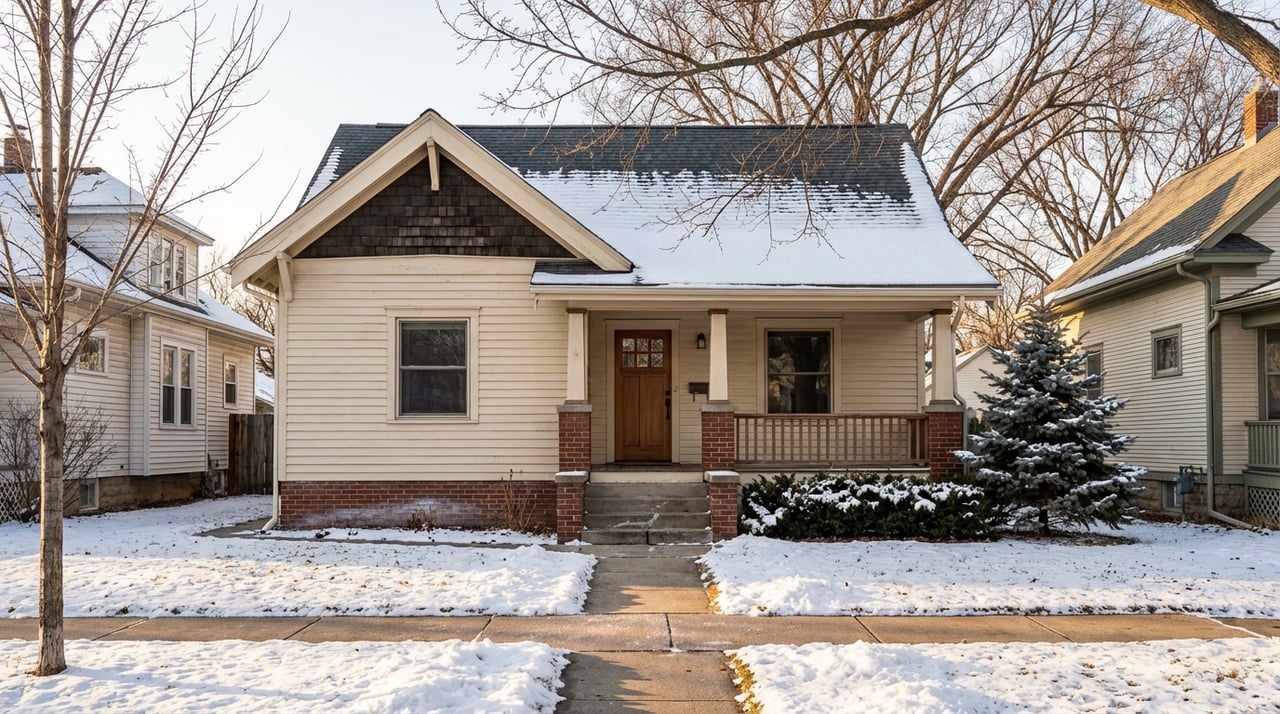
Character homes in London Road often date to the early 1900s with styles like Foursquare and cottage-influenced forms, plus classical brick residences. You will see hip or gabled roofs, broad verandahs, wood siding or painted brick, bay windows, and original trim that set the tone from the street. Inside, expect separate living and dining rooms, higher ceilings, compact original kitchens that may have been updated, and period millwork that deserves careful handling during repairs. These elements are a big part of the charm and require thoughtful planning if you want to renovate.
- For examples of styles and detailing, see the municipal Inventory of Historic Places
Planning, heritage, permits
London Road change is guided by the London Road Area Redevelopment Plan, which is under review to align with the City’s Municipal Development Plan. Proposed policy tweaks could affect where sensitive infill or small multi-unit forms are allowed, so it is smart to verify the latest direction before you buy. If a property is listed on the City’s heritage inventory or is a designated Municipal Historic Resource, you will face added review steps for exterior or interior changes.
- Track the LRARP review and policy context on the City’s engagement page: LRARP review
- Check a property’s heritage status and understand designation: Historic Places Preservation
- Confirm what projects need permits in Lethbridge: Building Permits and Applications
Inspections to prioritize
Older homes reward careful due diligence. Start with a full pre-purchase home inspection by a qualified, impartial inspector, and plan to attend the walkthrough so you can ask questions. Add targeted specialist inspections based on age and visible clues so you do not miss hidden issues.
- Standard home inspection with a qualified pro. Ask for sample reports and confirm membership in a recognized association such as CAHPI. See consumer guidance from CAHPI.
- Electrical review for panel capacity and older wiring types where present.
- Sewer scope to check for root intrusion or line defects that older properties can hide.
- Structural or foundation engineer opinion if you see horizontal cracks, bowing, or notable settlement. See common older-home risks from Core Property Inspections.
- Moisture and mold assessment if dampness is suspected.
- Hazardous materials testing for asbestos or lead if you plan renovations.
- Chimney and flue inspection where fireplaces or old chimneys exist.
Energy upgrades that fit
If you want better comfort and lower energy use without losing character, start with a pre-retrofit EnerGuide home energy evaluation by an NRCan-registered advisor. The advisor will perform a blower-door test, check insulation, and map out a sequence of improvements. Typical best practice is to seal air leaks first, add attic and basement insulation, confirm balanced ventilation, then upgrade windows and heating equipment as needed.
- Book an EnerGuide evaluation with an NRCan-recognized provider: Find service organizations
- Learn how envelope-first upgrades support right-sized heating systems and heat pump retrofits: NRCan heat pump best practices
Funding and program status
Federal retrofit incentives have shifted. The Canada Greener Homes Grant closed to new applicants in 2024, although some related loans or targeted supports remain in motion. Before you set timelines or budgets, verify up-to-date program availability and requirements through NRCan and any provincial delivery partners.
- See Government of Canada reporting that notes the program status and related initiatives: Program status overview
Market signals and strategy
London Road’s central location and historic character keep demand steady for well-kept homes near downtown. Current planning work suggests only modest net growth within the neighborhood, with targeted changes under review to support appropriate new housing forms. Heritage recognition can increase buyer interest in a property while adding limits on certain alterations, so weigh the value of protected character against approval steps and timelines.
- Read about local heritage recognition and market interest: Municipal Historic Resources context
- Follow neighborhood policy signals that can affect infill and supply: LRARP review
Buyer checklist
Use this quick list to stay organized from first showing to firm offer:
Confirm the exact lot and zoning context, then review the LRARP policies for that parcel. Start here: LRARP review
Hire a qualified home inspector and attend the inspection. Ask for a sample report and confirm credentials with a recognized body such as CAHPI. Add thermal imaging, radon, sewer scope, and asbestos or lead testing if relevant.
Verify municipal records for past permits, outstanding orders, and heritage status. Use the City’s portals for permits and historic places.
Budget for priority repairs and upgrades. Focus on roof condition, foundation drainage, electrical capacity, heating equipment, and windows and insulation. Request multiple local quotes before finalizing numbers.
If energy work is planned, book an EnerGuide pre-retrofit evaluation so you can sequence improvements and confirm eligibility for any active programs. Start here: Find service organizations
Allow extra time and cost for heritage-appropriate work if the home is on the municipal inventory or designated. Check process details: Historic Places Preservation
Speak with your insurance provider early. Older wiring, chimneys, or historic materials can affect coverage or require upgrades.
Work with a local REALTOR who understands London Road streets and sales patterns, and use inspection results and permit history to guide negotiation.
Final thoughts
Buying a character home in London Road is about balancing charm with due diligence. When you combine the right inspections, a clear read on heritage and permits, and a practical retrofit plan, you set yourself up for a home that feels as good as it looks. If you want block-by-block guidance, valuation support, and a calm, consultative process, reach out to Blackstone Real Estate.
FAQs
How common are foundation issues in London Road houses
- Older foundations can show settlement or moisture problems; visible horizontal cracks, bowing, or active seepage should trigger a structural or foundation engineer review, which can also support negotiation leverage. See older-home risk patterns from Core Property Inspections.
Can you renovate a municipally designated historic home in Lethbridge
- Yes, but you will need approvals that protect character-defining elements; always confirm if a property is on the City’s inventory or designated before planning work. Start with the City’s Historic Places Preservation.
What inspections are most important for older London Road homes
- Begin with a full home inspection, then add electrical, sewer scope, structural, moisture and mold, hazardous materials, and chimney reviews as needed. See inspection scope guidance from CAHPI and older-home risks from Core Property Inspections.
Are heat pumps realistic for older Lethbridge homes
- Many are, if you address air sealing and insulation first and size the system correctly; NRCan’s resources show how envelope-first upgrades improve performance. See NRCan heat pump best practices.
What is changing in the London Road planning framework
- The LRARP is under review to align with the Municipal Development Plan, with targeted policy adjustments proposed to enable appropriate housing forms and guide sensitive infill. Follow updates on the City’s LRARP review.