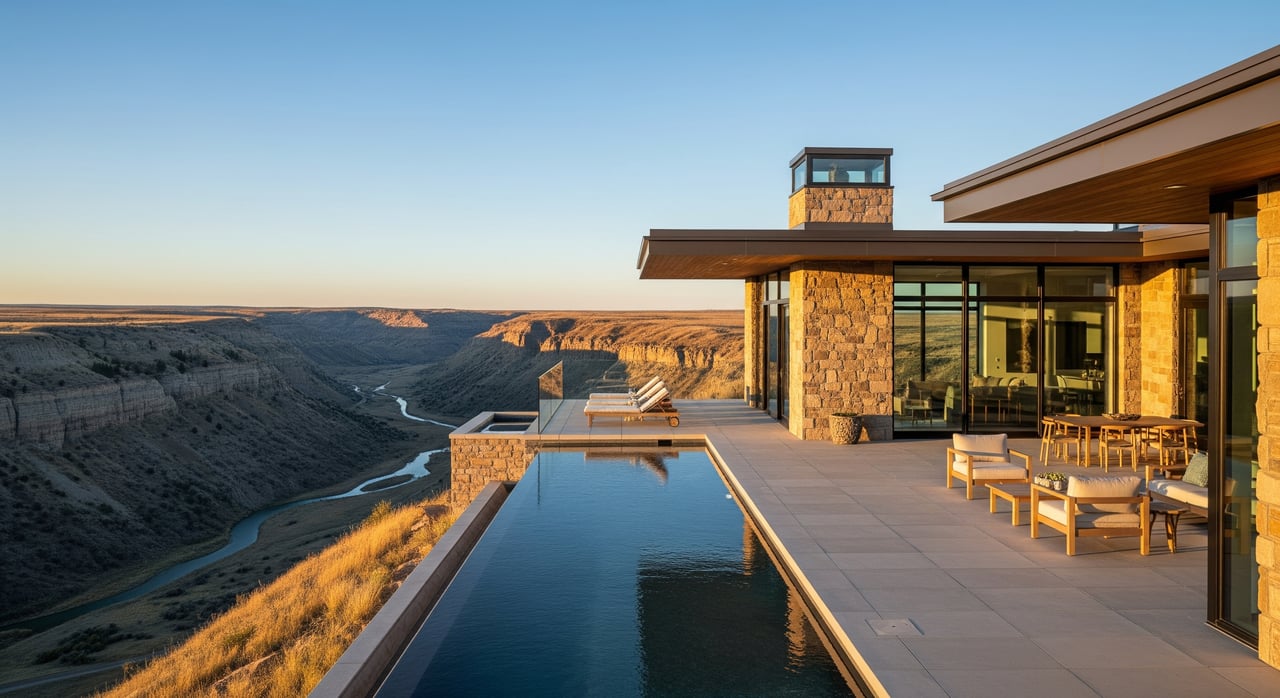
Is a coulee view in Paradise Canyon West worth paying more for? If you are buying or selling on the west side, that view can feel priceless. Still, the market puts a number to it based on quality, permanence, and how well the home uses the outlook. In this guide, you will learn how coulee views translate into price, what to watch for on this specific ridge, and how to value a view without overpaying or leaving money on the table. Let’s dive in.
What a coulee view means here
Paradise Canyon West sits beside Lethbridge’s coulees. That dramatic landscape is a true differentiator, but not all views are equal. Micro-variations from lot to lot can make a major difference in what you see and how it feels day to day.
The view tiers explained
To speak the same language, classify views into three tiers:
- Tier A (Panoramic): Unobstructed, wide coulee vistas from main living areas and outdoor spaces. Outlook is unlikely to be blocked.
- Tier B (Partial/Framed): Some coulee exposure from select rooms or portions of the deck, with trees or neighboring homes partially in frame.
- Tier C (Limited/No view): Rooftops, trees, or no meaningful coulee exposure.
These tiers help you compare homes fairly and estimate a defensible premium.
Orientation, light, and layout
View quality is not just about the angle off the rim. Orientation matters because sunrise and sunset exposure can add daily enjoyment and seasonal light. Layout also matters: open living spaces that face the view, generous windows, and outdoor areas like decks or terraces increase the real value of what you see.
Why views change price
Buyers respond to what is rare and meaningful. In Paradise Canyon West, true coulee outlooks are finite, which can increase willingness to pay. When the view is framed by good design, the home’s perceived quality of life rises alongside its market value.
Scarcity and buyer demand
Unobstructed coulee vistas create a scarcity-based premium. Some buyers will pay more for a daily connection to the landscape, much like they would for a larger garage or a finished basement. The size of that premium depends on view quality, permanence, and how essential the feature feels versus substitutes nearby.
Signals to watch in sales
When coulee view homes outperform, you often see patterns such as shorter days on market and stronger sale-to-list ratios compared to similar non-view homes. Look for a consistent price differential across multiple recent comparables, not a single outlier. Feedback from showings that repeatedly prioritizes the view is another practical signal that the market values it.
Non-price trade-offs to weigh
A view is an amenity, but there are trade-offs. Homes near coulee edges can face erosion or slope stability concerns, which may affect insurance or require specialized work. Pathways and parks add appeal, yet they can also reduce privacy and increase foot traffic near your yard.
Paradise Canyon West factors
Local geography shapes what the market rewards. In this neighborhood, small shifts in elevation, vegetation, and distance to the rim influence what you see from the kitchen sink or the primary bedroom.
Micro-variations lot to lot
Two homes on the same street can have very different exposures. Mature trees, slope angles, and the way a home sits on the lot can improve or limit sightlines. Setbacks and infill potential on adjacent parcels also matter because they influence future view permanence.
Parks, trails, and privacy
Trail access and park proximity can increase day-to-day livability and buyer interest. Still, you should weigh privacy. If a popular viewpoint sits near your fence line, you may love the amenity but prefer strategic landscaping or screening to balance it.
Slope, erosion, and restrictions
Coulee-facing properties sometimes fall under conservation or environmental overlays that guide what can be built and where. Setback rules, drainage requirements, and deck or terrace approvals can affect how you use and upgrade your outdoor spaces. Understanding slope stability policies and any documented erosion concerns helps you evaluate risk, maintenance, and long-term insurability.
Estimating your view premium
The most reliable way to value a coulee view is to compare like with like. Keep the house, lot, and finish level as similar as possible, then isolate the impact of the view.
Matched comps approach
Start with recent closed sales in Paradise Canyon West that are close in size, age, lot dimensions, and finish level. Create matched pairs where one has a coulee outlook and the other does not. The price difference across several pairs provides a grounded estimate of the view premium for each tier.
Simple per-square-foot check
As a cross-check, calculate the median price per square foot for Tier A, Tier B, and non-view homes within similar size bands. Make sure you compare within the same micro-area or even on the same street when possible to avoid broader neighborhood effects. Use this only as a sense-check, not a sole pricing tool.
Validate with buyer feedback
Numbers tell most of the story, but confirmation from recent buyer behavior matters. Look for patterns like multiple offers on Tier A homes, repeated comments about the view during showings, or higher sale-to-list ratios versus nearby non-view addresses. Consistent qualitative feedback supports your quantitative estimate.
What increases or reduces the premium
View premiums rise or fall based on a few practical details. These are often visible to the eye during showings and in listing photos.
- Permanence: If neighboring parcels cannot be built or the view corridor is protected, buyers feel safer paying more. If a home sits further back with potential infill in front, the premium may shrink.
- Usability: Large windows, sliders, and outdoor living spaces that orient to the coulee help monetize the view. If the floor plan hides the outlook behind walls, the premium softens.
- Light and comfort: East or west light can make the space feel warmer and more dynamic, though solar gain and glare need practical shading. Comfort and daily usability matter as much as spectacle.
- Privacy and noise: Views paired with privacy feel more exclusive. Proximity to high-traffic paths can be a trade-off that trims the premium.
- Condition and maintenance: Retaining walls, drainage, and slope-adjacent landscaping can add ongoing cost. Buyers often discount for unknowns if documentation is thin.
Seller strategy for view homes
When you sell with a coulee view, the work is to prove it, present it, and price it with intention. Your goal is to show buyers why the outlook adds lasting value, not just a nice moment on a sunny day.
Present the view with intention
Capture the best angles at golden hour and from the main living level. Floor plans that highlight sightlines, plus short video that moves from kitchen to deck, help buyers feel the outlook. Trim or frame landscaping so it guides the eye instead of interrupting the vista.
Pricing and documentation
Classify your home’s view tier clearly in the listing. Prepare a comp set that shows multiple recent sales supporting your premium for a similar tier, size, and finish. If you have slope or stability inspections, permits for decks or terraces, or notes about conservation overlays, disclose them upfront to reduce uncertainty.
Small upgrades that pay off
Consider strategic improvements that amplify the view, such as larger sliders, updated railings, or seating zones that face the coulee. Verify permits for any exterior changes. Lighting and window treatments that manage glare without blocking the outlook help buyers imagine using the space all year.
Buyer checklist for view value
Buying for the view means testing the feelings and the facts. Use this quick checklist as you tour.
- Confirm the view tier from main living areas, not just the yard.
- Ask about adjacent parcel buildability and any conservation or setback controls.
- Evaluate decks, windows, and layout for daily usability of the outlook.
- Request any slope, drainage, or retaining wall documentation.
- Factor potential insurance or maintenance costs into your budget.
- Visit at different times of day to gauge light, privacy, and foot traffic.
Common missteps to avoid
- Relying on a single comp: One high sale does not prove a premium. Look for a pattern across multiple recent examples.
- Assuming permanence: Unless controls or physical realities support it, do not treat any view as guaranteed.
- Ignoring layout: A spectacular view that you cannot see from daily living spaces is often overpriced.
- Skipping due diligence: Slope, drainage, and permitting questions matter near a coulee. Ask for documents early.
- Overvaluing seasonal sightlines: Leaf-on and leaf-off views can differ. Check in both seasons when possible.
How Blackstone supports your decision
You deserve a clear, local answer to what a coulee view is worth. Our approach blends neighborhood-level comparables, a consistent view-tier framework, and visual storytelling that brings the outlook to life for buyers. For sellers, that means stronger positioning and a defensible premium. For buyers, it means confidence that you are paying for real value, not hype.
Curious what your Paradise Canyon West view is worth right now or how to shop for one without overpaying? Start with a focused, data-backed consultation. Connect with Blackstone Real Estate to request your free home valuation and a tailored comp set for your view tier.
FAQs
How do coulee views affect home prices in Paradise Canyon West?
- Coulee views can command a premium based on scarcity, view quality, permanence, and how well the home’s layout and outdoor spaces capitalize on the outlook.
What defines a panoramic coulee view versus a partial one?
- Panoramic means a wide, unobstructed vista from main living areas and outdoor spaces, while partial means the coulee is visible only from certain rooms or is framed by trees or neighboring homes.
How can I estimate the view premium on my Paradise Canyon West home?
- Use matched comps with similar size, age, lot, and finish, then compare Tier A, Tier B, and non-view sales to isolate the view’s effect, validating with multiple recent examples.
What risks should I consider near the coulee edge?
- Consider slope stability and erosion, drainage and retaining walls, potential insurance impacts, and any conservation or setback rules that affect future improvements.
How do parks and trails near the coulee impact value?
- Proximity to trails and parks can boost desirability but may reduce privacy or increase foot traffic, which can trim the net premium depending on buyer preferences.
What should buyers verify before paying extra for a view?
- Confirm the view from main living spaces, check adjacent parcel buildability and any overlays, request slope or drainage documentation, and visit at different times of day.
What listing steps help sellers capture a view premium?
- Clearly classify the view tier, present high-quality visuals and floor plans that showcase sightlines, price with matched comps, and disclose slope or permitting documents upfront.