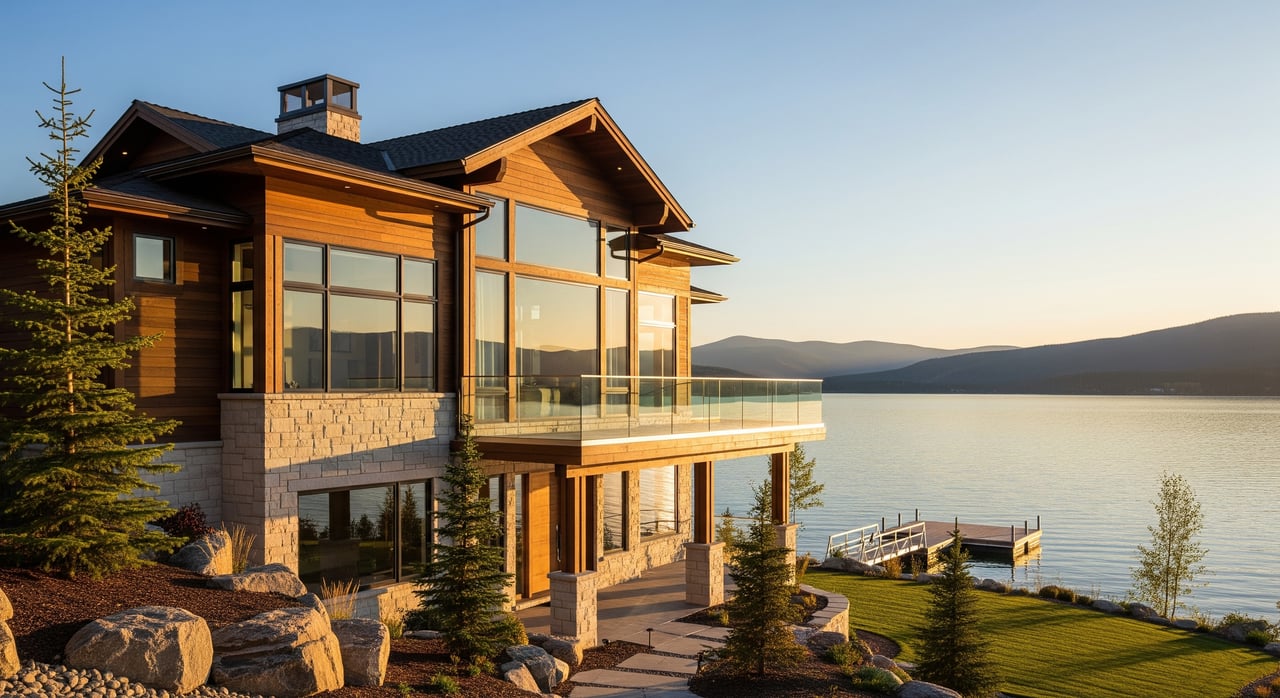
What is your Southridge lakeview home really worth? If you have a view of the water, you already know it adds something special. But not all views are valued the same, and online estimates often miss the details that move the needle. In this guide, you’ll learn the key factors that shape value, the local checks that matter in Division No. 2, and the steps to get a clear, defensible number. Let’s dive in.
Lakeview vs waterfront value
A true waterfront property with private shoreline access typically carries the highest premium. A lakeview home without shoreline ownership still commands more than a non-lake property, but usually less than direct waterfront. Value comes from what buyers can use and enjoy, not just what they can see.
For lakeview homes, focus on view quality and permanence:
- How much water can you see: panoramic or partial.
- Year-round view or seasonal obstruction from trees or foliage.
- Risk of future development blocking sightlines based on nearby parcel zoning.
- Orientation for afternoon and evening light.
Waterfront specifics can affect nearby values and comps you use for pricing. Frontage length, type of shoreline, and presence of a dock or boathouse all influence what buyers will pay. Even if you are not on the water, buyers compare your home to nearby lakefront and lakeview sales when deciding on value.
What drives value for Southridge lake homes
Your property’s story is a blend of location, lot, and home features. Buyers consider all of the following:
- Lot size and usable area, including slope and setbacks from the high-water mark.
- House size, age, condition, and major systems like septic and well.
- Privacy and buffer from neighbors, plus road access in all seasons.
- Proximity to town services like groceries, healthcare, and highways.
- Access to recreation, including boat launches, trails, and parks.
- Local supply and demand, along with listing season. Spring and summer often bring more attention to lake properties.
- Rental potential if short-term or seasonal renting is allowed and supported by the market.
Local checks in Southridge and Division No. 2
“Southridge, Division No. 2” describes a census area in southern Alberta, not a single municipality. Your exact municipal jurisdiction controls zoning, assessment, and local bylaws, so confirm it first. Once you know the municipality, work through these checks.
Assessment vs market value
Municipal assessed value helps determine property taxes. It is not the same as market value. Compare your assessment to recent local sales, then speak with the municipal assessment department about classification, especially if your home is seasonal or year-round.
Zoning and land use rules
Land-use bylaws govern permitted uses, setbacks from the high-water mark, and accessory structures like docks. Review the municipal development plan for any policies that could affect view permanence, redevelopment, or future building on nearby parcels.
Water and shore regulations
Shoreline alterations, dock construction, and riparian buffers can be regulated by provincial rules and municipal bylaws. The Alberta Water Act and related environmental policies may apply to any work near the water. Confirm whether any conservation easements or public rights-of-way affect access or use.
Environmental and hazard risks
- Flood risk based on provincial floodplain mapping and municipal designations.
- Shoreline erosion or slope stability that could reduce usability.
- Water quality issues, including harmful algal blooms, that affect recreation.
- Wildfire risk if your property borders forested or grassland areas.
If risks are suspected, consider a geotechnical, environmental, or shoreline assessment to clarify impact on safety and value.
Utilities and essential services
Septic and well performance are central to financing and buyer confidence. Many buyers request septic certification and well water tests for bacteria and nitrates. Power reliability, telecom options, and year-round road access also affect appeal and price.
Insurance availability and cost
Insurers assess flood exposure, shoreline structures, and property condition. Premiums and coverage can vary for homes near water. Speak with an insurance broker early to understand typical exclusions and expected costs for your property profile.
Title, easements, and access rights
Confirm shoreline ownership, riparian rights, or whether the shoreline is publicly owned. Order an up-to-date title search to identify covenants, easements, and liens. Clarify access type and any private road or shared dock maintenance agreements.
Build your market value with comps
The most reliable way to estimate value is a comparative market analysis focused on recent local sales. For lakeview properties, precision matters.
Selecting the right comparables
- Prioritize recent sales on the same lake or shoreline segment within the last 6 to 12 months when possible.
- When direct comps are scarce, use nearby lakes with similar amenities, distance to services, and recreational profile.
- Adjust for frontage length, view quality, lot slope and usability, house size and condition, upgrades, dock or boathouse presence, seasonal versus year-round use, and market movement over time.
Price per frontage foot can be a reference point for waterfront sales, but use caution. Differences in depth, slope, shoreline type, and access can make this metric misleading without proper adjustments.
Account for seasonality and limited data
Lake properties often trade in spring and summer. If your best comparable sold during peak season and you plan to list in winter, you may need a timing adjustment. Also note that MLS and municipal records may not capture private or estate sales, so a professional’s local knowledge can fill in gaps and improve accuracy.
Valuation methods that matter
- Sales comparison approach. Most common for residential lake and lakeview properties. It relies on well-chosen comps and careful adjustments for view and shoreline factors.
- Income approach. Useful if the property generates rental income. Requires credible income and expense data and a realistic view of seasonality.
- Cost approach. Estimates replacement cost less depreciation plus land value. Helpful for unique properties when comps are limited, but less relied upon in active resale markets.
When to order a CMA or appraisal
A comparative market analysis from a local REALTOR with lake experience is typically sufficient for setting a listing price. Consider a professional appraisal from an accredited appraiser if your property is highly unique, if comparable sales are limited, if financing or a dispute requires a formal report, or for estate-related valuations.
Smart prep checklist to maximize value
Use this pre-sale checklist to reduce friction and strengthen your pricing story.
- Documentation
- Recent survey or Real Property Report, title documents, municipal assessment notice.
- Septic records, well water test results, permits for additions or shoreline structures.
- Repairs and safety
- Address visible deferred maintenance.
- Ensure docks, stairs, and railings are secure and presentable.
- Systems and certifications
- Septic inspection and certification, plus updated well water tests.
- Outdoor presentation
- Clear and stage decks, docks, and viewpoints to showcase the view.
- Trim vegetation where permitted to enhance sightlines.
- Marketing assets
- Professional photography and, where appropriate, drone visuals to capture view and setting.
- Create a clear inclusions and exclusions list for shoreline-related items.
- Pricing and timing
- Consider listing in spring or summer to meet peak buyer demand.
- Set an initial price backed by comps, with room for negotiation as the market responds.
How to navigate local rules with confidence
Start by confirming your municipal jurisdiction and pulling your property documents. Check zoning and floodplain maps before planning any shoreline work. If you uncover potential risks, consult the right specialists early so you can resolve issues ahead of listing and protect your value.
Work with a local team that understands lakeshore value
A lakeview home deserves a valuation and presentation that reflects its unique appeal. You benefit from a market-driven CMA, a clear pricing strategy, and visuals that highlight sightlines, light, and outdoor living. If you want a precise read on value and a plan to maximize it, reach out to the team that marries local insight with curated marketing. Connect with Blackstone Real Estate to request your free home valuation and next steps.
FAQs
How much more is a Southridge lakeview worth than a similar non-lake home?
- The premium varies by view quality, permanence, and local supply and demand. Use recent local comps and adjust for view, orientation, and lot usability to quantify it.
What adds more value: waterfront or lakeview in southern Alberta?
- Waterfront with private shoreline access usually carries higher value and appeal than lakeview alone. The size of the premium depends on frontage, beach quality, privacy, and riparian rights.
Do docks, boathouses, or seawalls increase value for buyers?
- Safe, well-maintained access and docks typically add value by increasing usability. Larger shoreline structures can add value but may also introduce maintenance, permitting, or insurance considerations.
Are lakeview properties harder to finance or insure in Alberta?
- Financing and insurance depend on flood risk, property condition, and shoreline structures. Some lenders and insurers require extra inspections or have exclusions. Consult your lender and broker early.
What should Southridge sellers disclose about a lakeview property?
- Disclose known defects, past flooding, shoreline history, septic or well issues, easements, and any unresolved title or land-use matters. Local requirements vary by municipality and province.
How do I value my home if few similar properties have sold recently?
- Expand your comp set to include nearby lakes with similar characteristics, weigh property-level attributes more heavily, and consider a professional appraisal for added confidence.
Should I pay for a pre-sale septic inspection or water test?
- Yes. Providing septic certification and current well water results reduces buyer uncertainty and can support stronger offers and smoother negotiations.
How do I confirm my municipal jurisdiction in Division No. 2?
- Check your tax roll information, title documents, or contact the local municipal office. Your municipality’s rules will guide zoning, assessment, permits, and shoreline regulations.