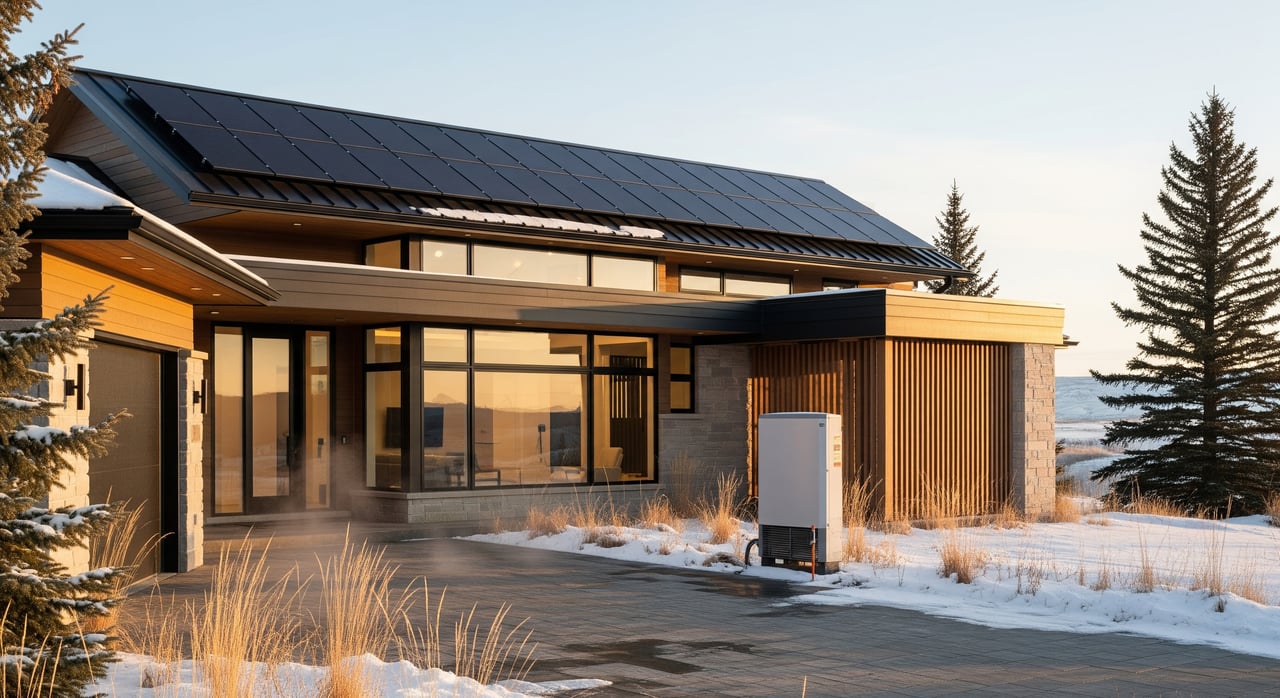
Chinook one day, deep freeze the next. If you live in Southridge, the City of Lethbridge, or the County, you know winter energy bills can feel unpredictable. You want comfort without overpaying, and you want the upgrades you choose to make a real difference. This guide shows you which winter improvements typically pay off here, how to estimate your savings, and where to look for incentives and reliable pros. Let’s dive in.
What pays off first locally
Southern Alberta winters are cold, dry, and windy, with temperature swings from Chinooks. That mix puts pressure on your home’s envelope and heating system. In Southridge’s mostly 1990s–2010s builds, the best returns often come from tightening the envelope and modernizing HVAC controls or equipment. In older city and county homes, insulation and air sealing can deliver even bigger wins.
Two variables shape your payback: your current fuel (often natural gas here) and your home’s baseline condition. Use your latest bills to understand your rates. For climate context when planning, you can review Environment and Climate Change Canada climate normals.
High‑impact winter upgrades
Air sealing and attic/rim joist insulation
Start here. Sealing common leakage paths and topping up attic insulation often cuts heating load by about 10–30% depending on your home. Focus on the attic, basement rim joists, and any visible drafts. A blower‑door test helps you find the biggest leaks and verify results after work is complete.
What to do next:
- Seal attic bypasses and add insulation where levels are low.
- Caulk and weatherstrip obvious gaps; consider pro air sealing for deeper leaks.
- Insulate and air‑seal rim joists and crawl spaces.
Cold‑climate air‑source heat pumps
Modern cold‑climate heat pumps perform well through much of a Lethbridge winter and shine during milder periods between cold snaps. Many homeowners choose a hybrid setup that pairs a heat pump with a gas furnace, letting you run the most cost‑effective option by temperature. Upgrading your envelope first makes a heat pump even more effective.
What to consider:
- Best returns if you currently use older electric resistance heat or an inefficient system.
- Sizing and controls matter; use a licensed HVAC contractor familiar with cold‑climate models.
High‑efficiency furnace or boiler
If your gas furnace is older and less than 80% AFUE, a high‑efficiency condensing unit can reduce gas consumption and improve comfort right away. Compare lifecycle costs with a heat pump option based on your energy rates and goals.
Windows and doors: be selective
Windows can be drafty, but full replacement is often a longer payback than sealing and insulation. Target the worst performers first. Storm windows, quality weatherstripping, and careful air sealing can deliver much of the comfort benefit at a lower cost. Replace when frames are failing, panes are single‑glazed, or resale presentation is a priority.
HRV/ERV for healthy, efficient ventilation
As you tighten your home, balanced ventilation becomes important. A heat or energy recovery ventilator exchanges stale air while retaining much of the heat, which is useful in our cold, dry winters. This is most valuable after significant air sealing and insulation work.
Water heating and plumbing tweaks
Insulate hot water pipes, lower your water heater temperature to a safe, efficient setting, and consider insulating older tanks. For larger moves, high‑efficiency or heat pump water heaters can reduce electric water‑heating demand.
Smart thermostats and better schedules
A smart thermostat with sensible setback schedules is a fast, low‑cost way to trim winter bills. Integrate with multi‑stage furnaces or heat pumps to improve comfort and runtime efficiency, especially during Chinook swings.
Solar PV in winter
Solar still produces on clear winter days, though output is lower than summer. If you plan to stay long term, pair PV with strong efficiency work and review net‑metering rules before investing.
Southridge vs. older homes: where to focus
- Southridge (late 1990s–2010s): These homes often benefit most from targeted air sealing, attic top‑ups, smart thermostats, and modern HVAC like a cold‑climate heat pump or a high‑efficiency furnace. Ductwork is usually in good shape, which helps.
- Older city and county homes (pre‑1980): Big wins typically come from insulation and sealing first, then equipment upgrades. Storm windows and crawl space/basement insulation can improve comfort quickly.
How to estimate your payback
Use this simple approach to prioritize projects:
Gather 12 months of utility bills. Note your annual spend on gas and electricity.
Get an energy audit. An EnerGuide evaluation or pro energy audit will estimate savings from each upgrade.
Calculate annual savings. Multiply your annual energy cost by the audit’s estimated reduction percentage for each measure.
Divide cost by savings. Installed cost after rebates divided by annual savings equals simple payback years.
Compare options. Start with the lowest payback items that also improve comfort and resale.
Example: If your gas heating costs are about $1,800 per year and air sealing plus an attic top‑up cuts load by 20%, your savings are about $360 per year. If the project costs $3,000 after rebates, the simple payback is roughly 8.3 years.
Incentives, audits, and financing
Federal programs change over time, but you can review current options and requirements on NRCan’s Canada Greener Homes Initiative. Historically, grants have included support for eligible retrofits and partial coverage for pre‑ and post‑retrofit EnerGuide evaluations. Check current eligibility, amounts, and approved measures before you start.
Key points:
- Pre‑ and post‑retrofit EnerGuide assessments are typically required for federal grants.
- Utilities and municipalities may offer time‑limited incentives. Check the City of Lethbridge utilities and billing page for local updates and contacts.
- For larger projects, compare quotes from 2–3 contractors and ask about any financing options available through federal or municipal programs.
Your step‑by‑step plan for winter
Review your last year of energy bills to find your baseline.
Do a quick DIY check for drafts, cold spots, and thin attic insulation.
Book an EnerGuide evaluation if you plan to apply for grants or want a prioritized roadmap.
Start with low‑cost, high‑impact fixes: air sealing, attic insulation, weatherstripping, and a smart thermostat.
Plan larger investments next: consider a cold‑climate heat pump or high‑efficiency furnace, then windows where performance is poor.
Keep documentation. Save receipts, audit reports, and warranties for resale and for incentive applications.
Selling soon? Upgrades that help your listing
If you plan to list this winter or in early spring, focus on upgrades that improve both comfort and confidence for buyers.
- Air sealing and attic insulation: immediate comfort and a clear improvement to showcase.
- Recent furnace service or replacement: strong signal of a well‑maintained home.
- Smart thermostat and clear utility history: buyers appreciate projected costs.
- EnerGuide report: third‑party documentation that supports your home’s efficiency story.
When you are ready to bring your home to market, we can help you decide which upgrades are worth doing now versus leaving to the next owner, and package the improvements into your listing narrative.
Ready to prioritize the right winter upgrades for your home and your goals? Connect with Blackstone Real Estate for guidance on what will add comfort, savings, and market value in Southridge, Lethbridge, and beyond.
FAQs
What winter upgrades pay off fastest in Lethbridge?
- Air sealing plus attic and rim‑joist insulation usually offer the quickest payback, with many homes seeing about 10–30% heating load reductions depending on starting conditions.
Do cold‑climate heat pumps work during Lethbridge cold snaps?
- Yes, modern units perform well through much of our winter; many owners opt for a hybrid heat pump plus gas furnace to optimize costs during extreme cold.
Are new windows worth it for energy savings alone?
- Often not as a first step; prioritize sealing and insulation, then target truly poor windows or choose replacement for comfort, durability, or resale presentation.
Do I need an energy audit to access grants?
- Federal programs typically require pre‑ and post‑retrofit EnerGuide evaluations for eligibility, so book an audit before starting work if you plan to apply.
How do Chinooks affect thermostat strategy at home?
- Use a smart thermostat and modest setbacks to let your system adapt to swings, and take advantage of milder windows to reduce runtime and drafts identified during audits.